Spotting AI Fakes
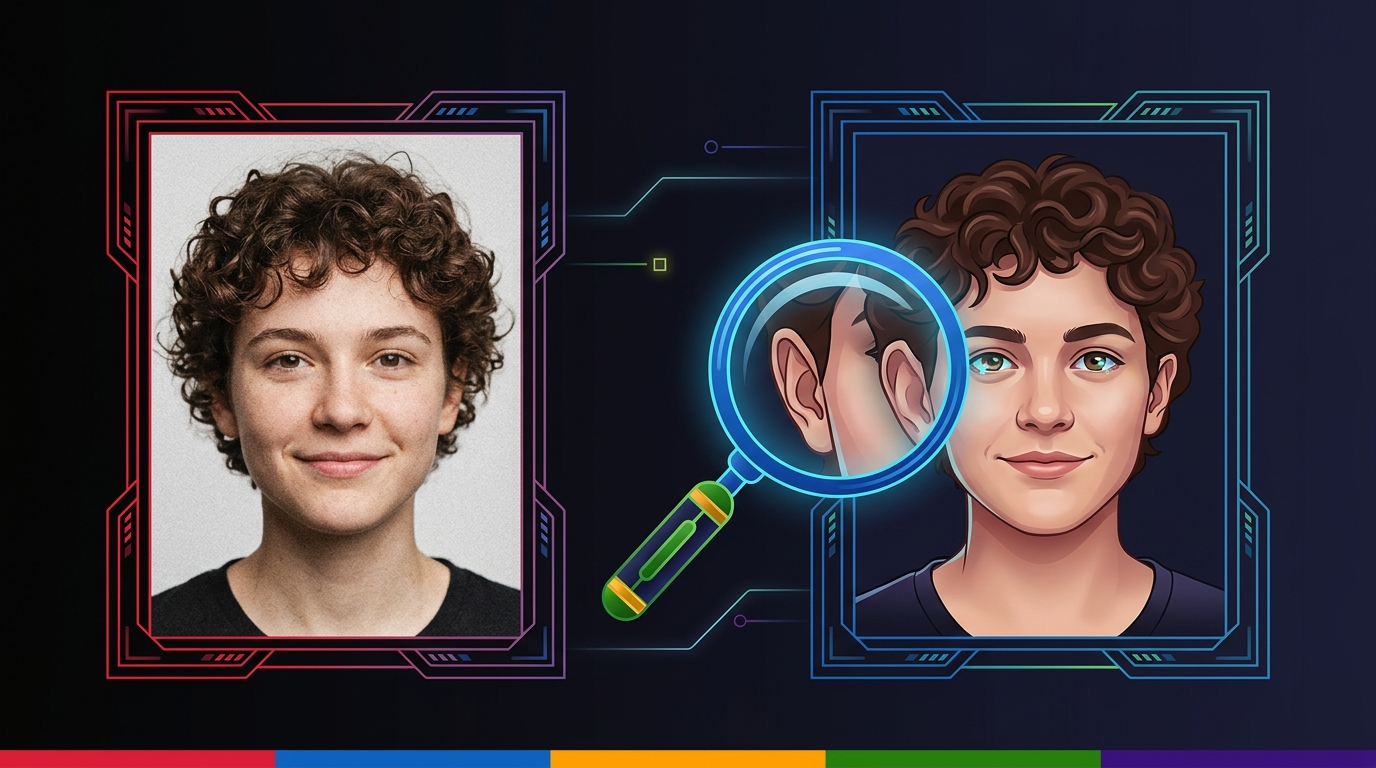
A few years ago, faking a photo took a professional and hours of work. Faking someone's voice was the stuff of Hollywood spy movies. Faking a video of a real person saying something they never said was nearly impossible.
Not anymore. Today, all three take about three minutes and a free app.
This isn't meant to scare you. It's meant to prepare you — because once you know what to look for, you're already ahead of most people.
What Is a Deepfake?
A deepfake is any AI-generated media that has been manipulated to look or sound like a real person. The term covers a lot of ground.
An AI-generated photo of a "person" who doesn't exist. A video of a politician appearing to say something they never said. An audio clip that sounds exactly like your boss's voice asking for a wire transfer. All of these are deepfakes, and all of them are now disturbingly easy to create.
The name comes from the AI technique used to make them — "deep learning" combined with "fake." You don't need to understand the technology. You just need to know they exist and what they look like.
The Grandparent Scam Gets an Upgrade
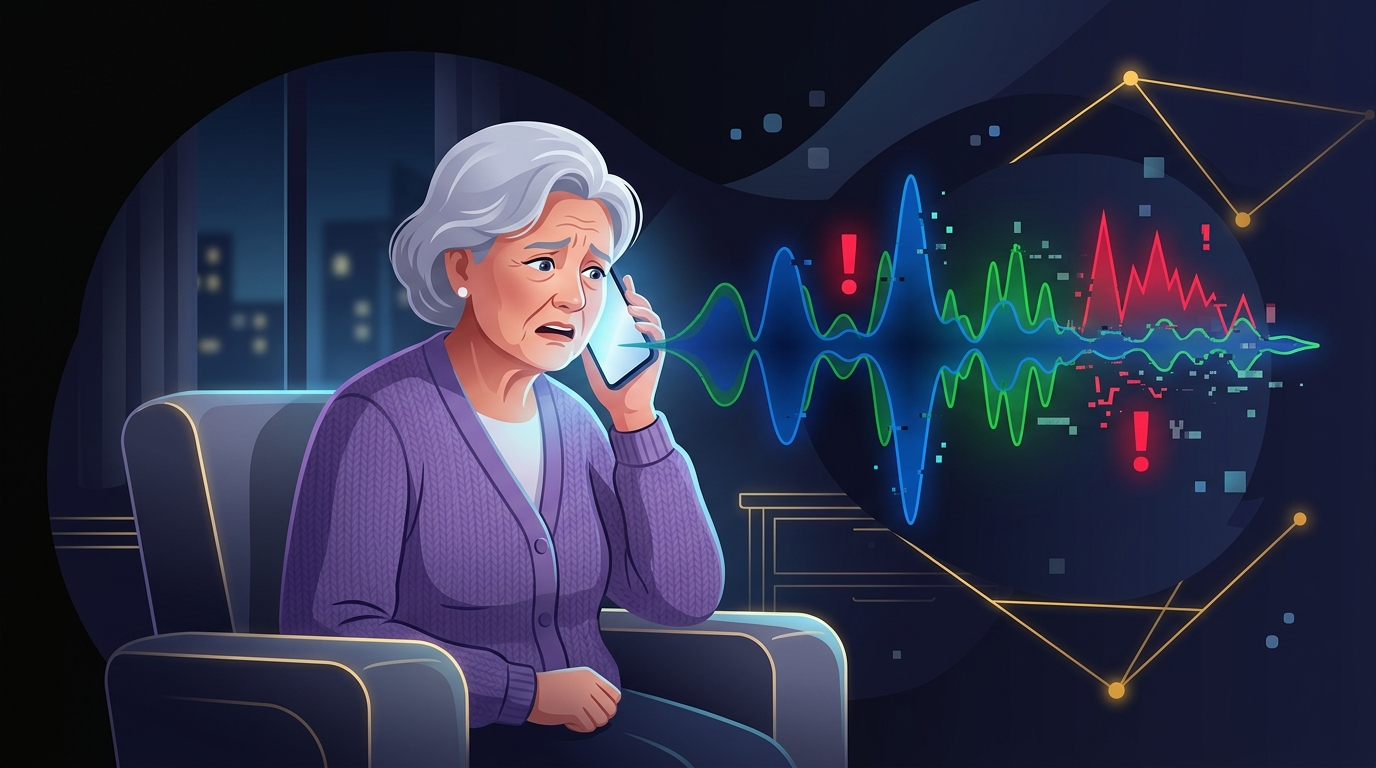
One of the most dangerous AI scams happening right now is a supercharged version of the classic "grandparent scam."
The old version: a criminal calls an elderly person pretending to be their grandchild, crying that they're in trouble and need money wired immediately.
The new version: the criminal uses AI to clone the grandchild's actual voice using just a few seconds of audio scraped from social media. The call sounds exactly like the real person. Same speech patterns, same vocal quirks, same way they say "Grandma."
Thousands of people have already lost money to this. The FBI has confirmed it's a widespread and growing problem. The voice sounds so real that even people who are skeptical often can't tell the difference in the moment.
Real Examples You May Have Heard Of
In 2024, a finance worker in Hong Kong was tricked into transferring $25 million to fraudsters after a fake video call where everyone on screen — including the "CFO" — were deepfakes of real employees. He thought he was on a legitimate group meeting.
In 2023, robocalls using AI-cloned audio of President Biden's voice were used in political disinformation campaigns before elections — attempting to suppress voter turnout.
AI-generated celebrity faces have been used in fake investment ads on Facebook and Instagram, tricking people into putting money into scam platforms.
These aren't far-off sci-fi scenarios. They're happening now, to regular people.
How to Spot AI-Generated Content
You don't need to be a forensics expert. There are common tells to look for.
In AI-generated images:
- Hands and fingers are often wrong — too many fingers, fused fingers, or hands that look melted
- Backgrounds may look oddly blurry or geometrically impossible
- Text in the image (signs, shirts, labels) is often garbled or nonsensical
- Eyes can look glassy or slightly misaligned
- Jewelry, glasses, and hair around edges may look smeared or inconsistent
In AI-generated video:
- The face may look oddly smooth, like it's lit differently than the rest of the scene
- Blinking can be unnatural — too fast, too slow, or not quite right
- When the person turns their head, the edges of the face may distort briefly
- Lip sync is getting better, but words that require mouth shapes like "p," "b," and "m" still sometimes look off
In AI-generated writing:
- Overly smooth, always perfectly structured paragraphs with no personality
- Vague language that sounds confident but says nothing specific
- No typos, no informal phrases, no quirks — writing that sounds like everyone and no one at once
What to Do When Something Feels Off
The most important skill isn't spotting fakes technically — it's developing the instinct to pause.
If you get a call from someone you know and they're asking for money urgently, hang up and call them back on a number you already have saved. Don't call back the number that called you. Real emergencies can wait 60 seconds for a callback. Scammers can't afford the pause.
If you see a shocking video of a public figure, wait before sharing. Search for the story on a news site you trust. If no credible outlets are reporting it, the video is probably fake.
If an image looks almost right but something bugs you, trust that instinct. Zoom in on the hands. Look at the background text. Your gut is often picking up on details your conscious mind hasn't clocked yet.
Use the "call them back" rule: Any urgent request involving money, credentials, or personal information — verify it through a completely separate channel before doing anything. Hang up, look up the real number yourself, and call.
Quick Check
Quick Check
5 questions · Earn points for speed!
🔀 Random selection — different questions each play!
Key Takeaway
AI fakes are real, they're good, and they're getting better. Your defense isn't perfect detection — it's the habit of pausing. Before you send money, share a video, or trust an urgent request, take 60 seconds to verify through a separate channel. That pause is your best protection.
Ready to complete this lesson?
You've reached the end! Hit the button below to earn your XP.