When NOT to Trust AI
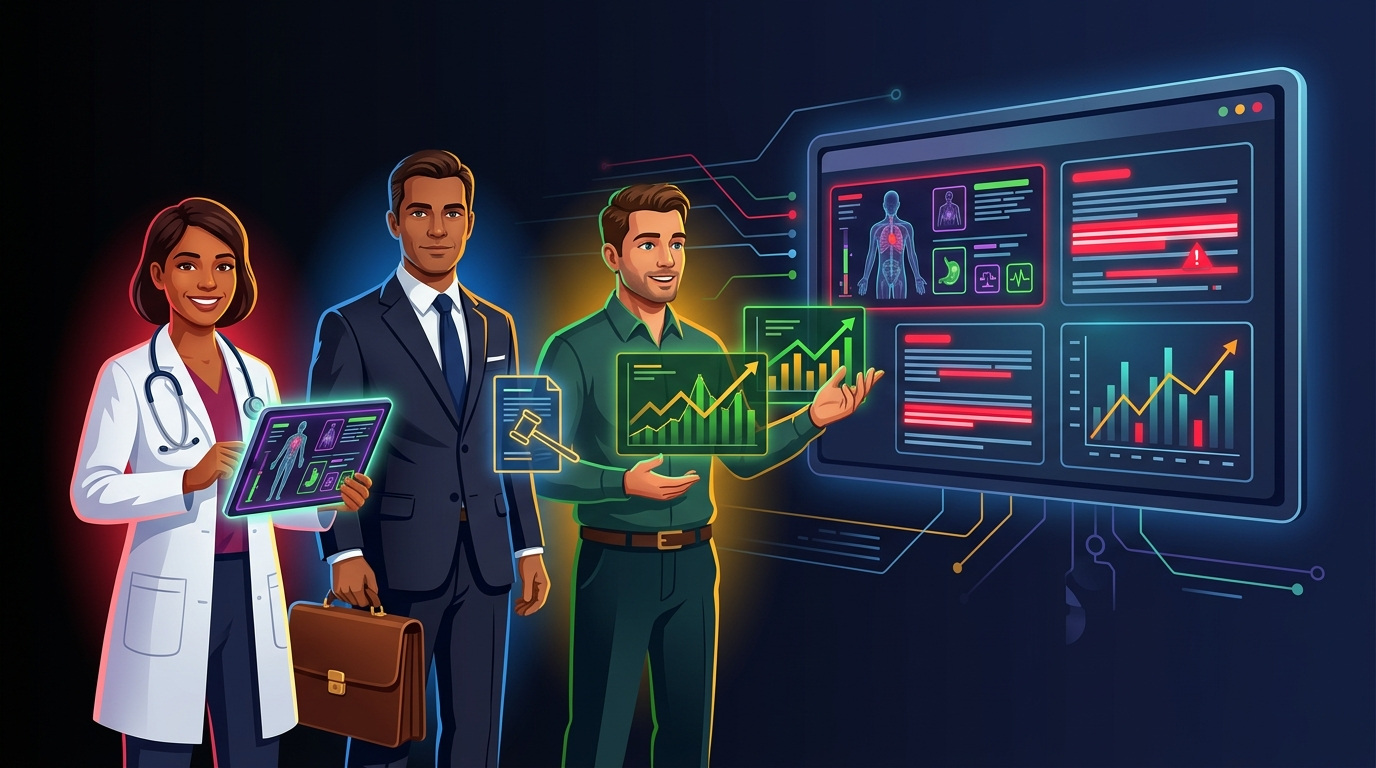
AI is genuinely impressive. It can explain a complex medication in plain English, summarize a 50-page legal document in two minutes, and give you a financial breakdown that would take an accountant an hour to produce.
That's exactly why this lesson matters. When something is that capable, it's easy to trust it more than you should.
The Library Book Analogy
Think of AI like a very well-read friend who has absorbed millions of books, articles, and websites. They can talk about almost anything — medicine, law, finance, relationships, cooking, history.
But here's the thing: they read all of that in a library. They don't know you. They don't know your specific situation. They haven't examined you, reviewed your documents, or looked at your actual bank account. And sometimes, the books they read were wrong, outdated, or didn't apply to people like you.
That's AI. Incredibly well-read. Completely unable to know your situation. And occasionally, confidently wrong.
Medical Advice: AI Is Not Your Doctor
AI can be fantastic for understanding health information. If your doctor mentions a condition you've never heard of, asking AI to explain it in plain English is a great use of the technology. If you want to understand what a medication does before your next appointment, AI is your friend.
Where it goes wrong is when people use AI as a replacement for actual medical care. AI cannot examine you. It cannot run tests. It cannot account for your full medical history, your other medications, or how your specific body works.
Real story: people have been seriously harmed by following AI-generated advice on medication dosages, symptoms to ignore, and treatments to try at home. The AI wasn't lying — it was giving general information that happened to be dangerous in that specific person's situation.
The rule: Use AI to understand your health. Use a doctor to manage it.
Legal Advice: AI Is Not Your Lawyer
AI has read more legal documents than most law school graduates. It can explain what a contract clause means, tell you what rights tenants generally have, or help you understand the basics of a legal situation.
But law is intensely specific to your jurisdiction, your exact circumstances, and the details of your documents. A clause that's unenforceable in California might be iron-clad in Texas. A strategy that works for most landlord-tenant disputes might be catastrophic in yours.
There's also this: when you talk to a lawyer, that conversation is legally protected. When you type it into an AI, it isn't.
The rule: Use AI to understand your legal situation well enough to ask your lawyer smarter questions. Don't use AI to make legal decisions.
Financial Decisions: AI Doesn't Know Your Life
AI can explain how a Roth IRA works, what compound interest means, or the general pros and cons of paying off a mortgage early. That kind of education is genuinely valuable.
What AI can't do is know your tax situation, your job security, your family obligations, your risk tolerance, or what keeps you up at night. Financial decisions require context that only you — and a good financial advisor — can provide.
Acting on AI financial advice as if it were personalized professional guidance is like reading a general fitness article and concluding it means you specifically should start marathon training this week.
The rule: Use AI to get financially literate. Use a professional for decisions that affect your actual money.
Emotional Support: AI Can Listen, But It Isn't Therapy
This one is subtle. AI is surprisingly good at responding empathetically. It won't judge you, it's always available, and it can reflect your feelings back to you in a way that feels genuine.
A lot of people find it easier to talk to AI about hard things than to talk to a real person. That's understandable. But if you're dealing with depression, anxiety, grief, trauma, or a mental health crisis, AI is not a substitute for actual care.
Real therapy involves a trained human who builds an ongoing relationship with you, tracks your progress over time, and can take action if you're in danger. AI can't do any of that. It's more like journaling out loud — it can help you process, but it isn't treatment.
The rule: AI is fine for low-stakes emotional processing. For anything that genuinely affects your mental health, talk to a real person.
The Starting Point vs. Final Answer Rule
Here's the simplest way to think about all of this:
AI is a great first step. It's a terrible last stop.
It's excellent for: understanding your situation, learning what questions to ask, getting a general lay of the land, and making you a more informed person when you walk into a professional's office.
It's poor for: making the actual decision, replacing the professional's judgment, or assuming that general information applies to your specific situation.
Sort It Out
Drag each scenario into the right category.
Understanding what 'atrial fibrillation' means after your doctor mentions it
Deciding whether to stop taking a medication that's giving you side effects
Learning what rights renters generally have when a landlord won't fix something
Deciding whether to sue your landlord over a specific incident
Understanding what a Roth IRA is and how it works
Deciding how to invest your retirement savings given your specific situation
Venting about a stressful day and getting a thoughtful response
Getting help managing ongoing depression or anxiety
Quick Check
Quick Check
5 questions · Earn points for speed!
🔀 Random selection — different questions each play!
Key Takeaway
AI is your best research assistant and your worst final decision-maker. Use it to understand your situation, learn the right questions, and walk in prepared. Then let the actual expert — your doctor, lawyer, financial advisor, or therapist — make the call that matters.
Ready to complete this lesson?
You've reached the end! Hit the button below to earn your XP.