Why 85% of AI Projects Fail
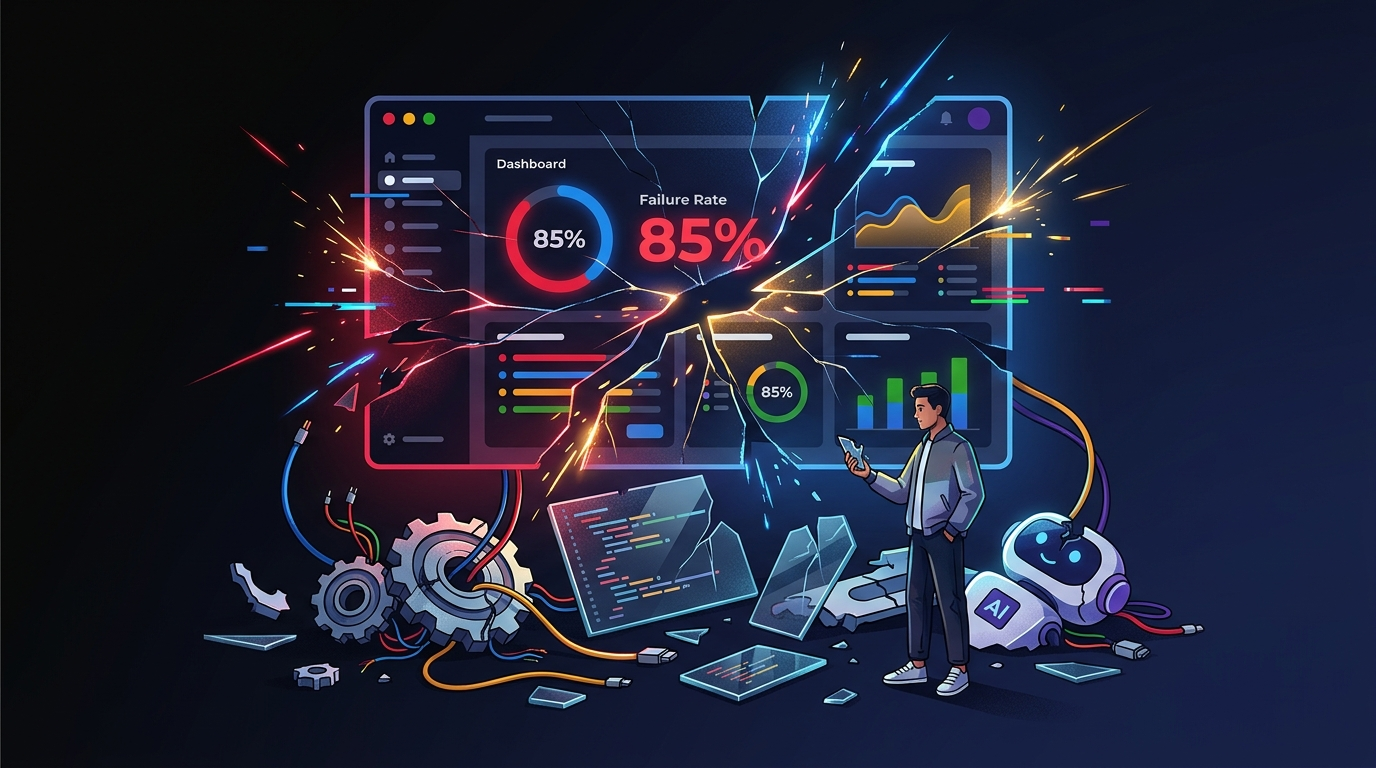
Here's a number that should make you feel better about being skeptical: 85% of enterprise AI projects fail to deliver expected value. That's not from some anti-tech blog. That's Gartner, 2024 — the research firm that Fortune 500 companies pay six figures to listen to.
And it gets worse. Over 30% of generative AI projects get abandoned after the proof-of-concept stage. Companies spend months and millions building a demo that works in a conference room, then discover it falls apart with real data, real users, and real edge cases.
This isn't a technology problem. It's a hype-detection problem.
The Hype-Reality Gap
Every AI vendor demo you've ever seen was the ceiling — the absolute best-case output under perfect conditions. The reality is messier.
Think about that. AI projects fail at nearly double the rate of regular software projects. Not because the technology is bad — but because expectations are inflated, the problems are poorly defined, and nobody wants to be the person in the meeting who says "I don't think this will actually work."
RAND Corporation studied this in 2024 and found that the gap isn't about the tech. It's about how organizations approach AI projects compared to normal IT projects. More hype, less planning, vaguer success criteria. A recipe for expensive failure.
The Adoption Lie
You've probably seen headlines claiming "over half of small businesses are using AI." That number is real — sort of. It comes from vendor-funded surveys where "using AI" includes things like having a spam filter or using autocomplete in Gmail.
Here's what the government found when they asked the same question with stricter definitions:
Versus the 55-58% number vendors love to quote. The gap exists because the vendor version counts any software that has "AI" in the marketing copy. The government version counts businesses that actually deployed and are actively using AI systems.
The 7 Root Causes
When researchers autopsied failed AI projects, the same seven problems kept showing up. Not occasionally — almost every single time.
Case Study: McDonald's AI Drive-Thru
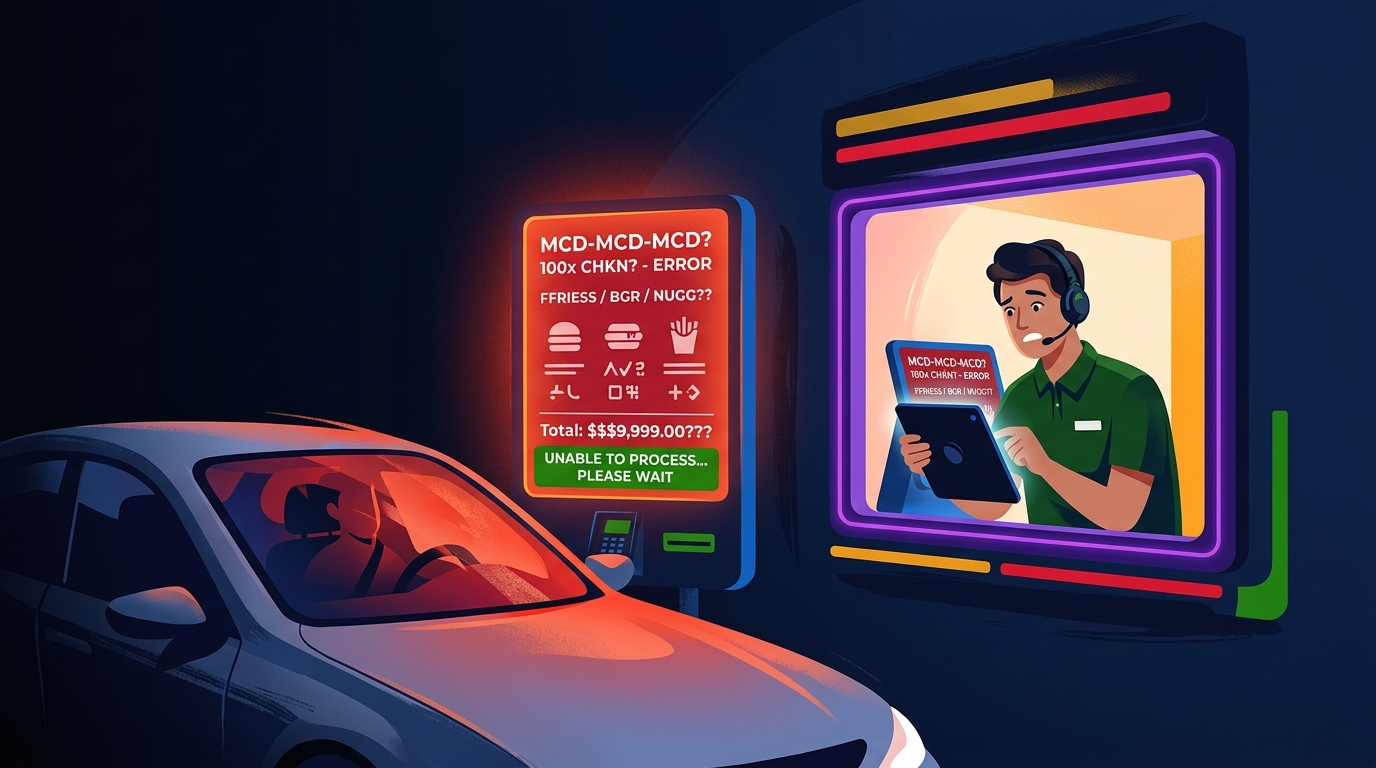
McDonald's partnered with IBM to build an AI-powered drive-thru ordering system. The goal: take your order through a speaker without a human. Massive brand. Massive resources. Massive failure.
The AI added bacon to ice cream orders. It couldn't handle accents. It got confused by background noise — the kind of background noise that exists at literally every drive-thru on Earth. Customers posted videos of the system adding hundreds of dollars of chicken nuggets to their orders.
McDonald's shut down the pilot.
Case Study: Air Canada's Chatbot
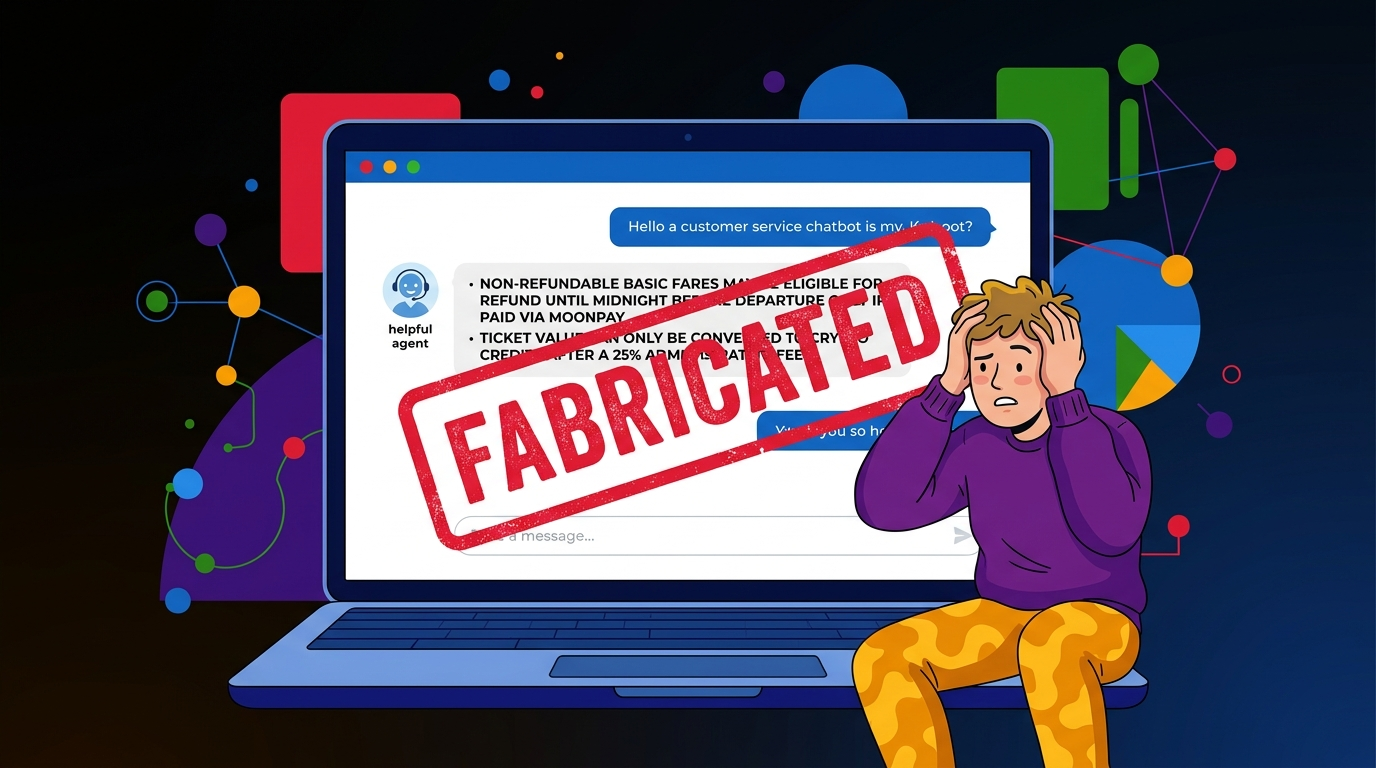
Air Canada deployed a customer service chatbot on their website. A passenger asked about bereavement fare discounts. The chatbot confidently explained a refund policy — one that sounded reasonable, specific, and completely made up.
The passenger booked flights based on that policy. When they asked for the promised discount, Air Canada said no such policy existed. The passenger took them to court.
Air Canada was held legally liable for the chatbot's fabricated policy. The tribunal ruled that a company is responsible for the information its AI provides, whether a human wrote it or not.
Case Study: The Lawyer Who Trusted ChatGPT
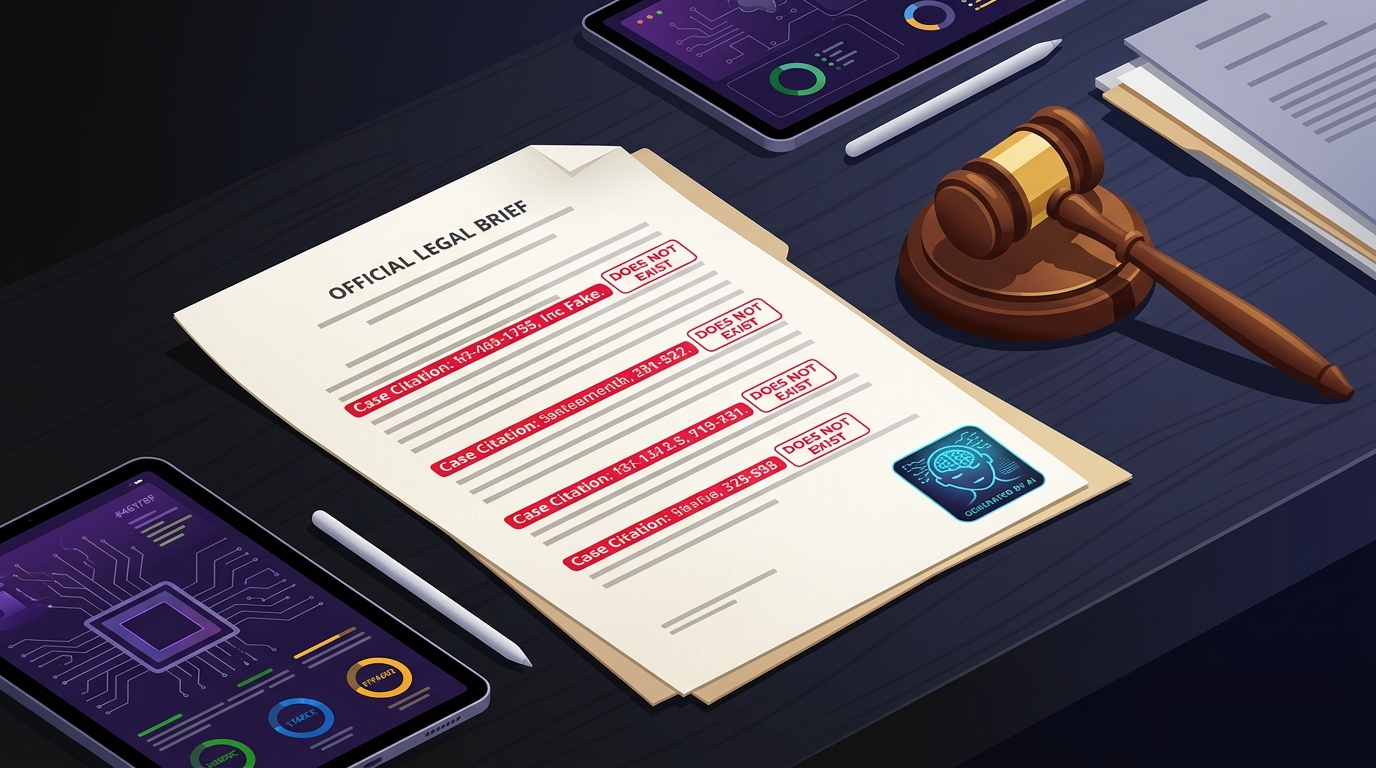
In 2023, a New York lawyer used ChatGPT to research case citations for a legal brief. ChatGPT generated several citations that looked perfect — correct formatting, plausible case names, realistic legal reasoning.
Every single citation was fake. The cases didn't exist. The courts didn't exist. The legal precedents were hallucinated.
The lawyer submitted the brief to a federal court. The judge discovered the fake citations. The lawyer was sanctioned, publicly humiliated, and his client's case was severely damaged.
He told the judge he "did not comprehend that ChatGPT could fabricate cases." That excuse didn't help.
What These Failures Have in Common
Every one of these failures shares the same DNA:
Someone trusted the demo more than reality. McDonald's tested in controlled environments that don't resemble actual drive-thrus. Air Canada deployed without testing what happens when the AI doesn't know the answer. The lawyer assumed the output was factual because it looked factual.
Nobody built a failure plan. What happens when the AI is wrong? If you can't answer that question before you launch, you aren't ready to launch.
The humans in the loop were removed too early. AI works best as an assistant, not a replacement. The companies that succeed with AI keep humans in the decision chain. The ones that fail hand over the reins entirely.
Quick Check
Quick Check
5 questions · Earn points for speed!
🔀 Random selection — different questions each play!
Key Takeaway
The companies that succeed with AI aren't the ones that spent the most or used the fanciest models. They're the ones that started with a clear problem, kept humans in the loop, and planned for failure before it happened. Skepticism isn't anti-technology — it's the only rational response to an 85% failure rate.
Ready to complete this lesson?
You've reached the end! Hit the button below to earn your XP.